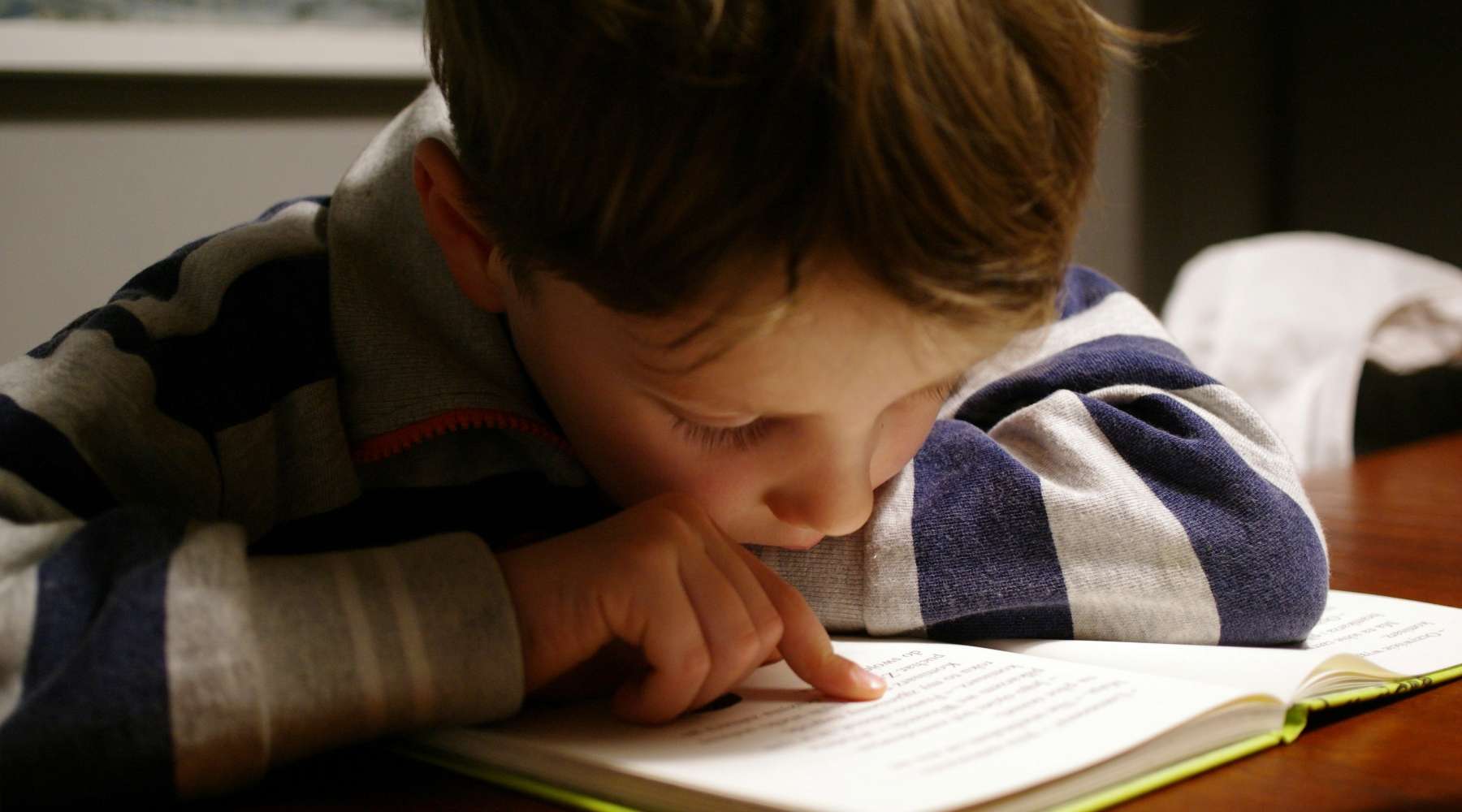
For children with dyslexia, reading and sounding words is a huge challenge. However, with perseverance and help they can overcome this difficulty.
Can you imagine picking up a book and encountering text that is so difficult to read that not many words make sense? You look around and notice all the other children are giggling as they read, answering the teacher’s questions and seemingly enjoying the story that just makes no sense to you.
This is the plight of 5–10% of children in school today. Some sources say that 10–20% of the global population have or may be identified with dyslexia, and about 2–4% of the population is severely affected by dyslexia.
what is dyslexia?
The Yale Centre for Dyslexia and Creativity defines dyslexia as “an unexpected difficulty in reading in an individual who has the intelligence to be a much a better reader. While people with dyslexia are slow readers, they are often very fast and creative thinkers, with strong reasoning abilities”.
For more about dyslexia, read here.
children with dyslexia often struggle with:
1. The sounds of letters.
2. Decoding words.
3. Knowing the phonetic code, such as the long versus short vowel rule or when “c” should make a hard “k” sound as in “cat” versus a soft sound “s” as in “city”.
4. Auditory analysis spelling.
5. Reading the words.
reading fluency
To be a fluent reader, children need accuracy, speed and prosody.
Accuracy
This involves reading words correctly. Students who have excessive miscues when they read do not read with accuracy.
Speed
The ability to recognise words automatically without having to decode or process them.
Prosody
This includes reading with feeling, intonation, phrasing and expression. This helps us to see that the child understands what they are reading.
Read one child’s story about her journey with dyslexia.
how to help your child
At school
Ensure your child is receiving highly individualised and intensive instruction that explicitly and systematically teaches them the phonetic code through a well-designed and sequential curriculum. Speak to your child’s teacher, or the head of department if necessary. Find out if the school has a highly qualified professional to provide evidence-based reading interventions. You can also ask them about Response to Intervention (RTI.)
RTI is a model of intervention that provides the child with general reading support in a smaller group with instruction typically being delivered by the general education teacher.
At home
Make sure you provide enriching reading activities for your child:
• Notice your child’s strengths.
• Celebrate every success.
• Be honest with yourself and set realistic goals.
• Read aloud to your child; it’s fun and helpful.
• Keep your child engaged by reading together.
• Pick books that your child loves.
• Play rhyming games.
• Build vocabulary through games such as 20 questions.
Find out more about the benefits of reading aloud with your child.
Remember that all children can learn to read. For some children, it may require just a little bit more work.